Plants are an important part of the natural world, they are found in different shapes and sizes. Based on the reproductive structures and methods, plants can be classified into two different categories: Flowering plants and non-flowering plants.
Flowering plants produce flowers as part of the reproduction process, while non-flowering plants reproduce without producing any flowers.
Flowering plants produce flowers as part of the reproduction process, while non-flowering plants reproduce without producing any flowers.
In this article, we will discuss what are flowering plants, what are non-flowering plants and the difference between flowering and non-flowering plants.
Flowering plants are plants that produce flowers and seeds. In these plants seeds are formed inside fruits. In science terms flowering plants are called “angiosperms”. Here the term “angiosperms” is derived from the ancient Greek word angeion and sperma, which refers to plants that produce their seeds enclosed within a fruit.
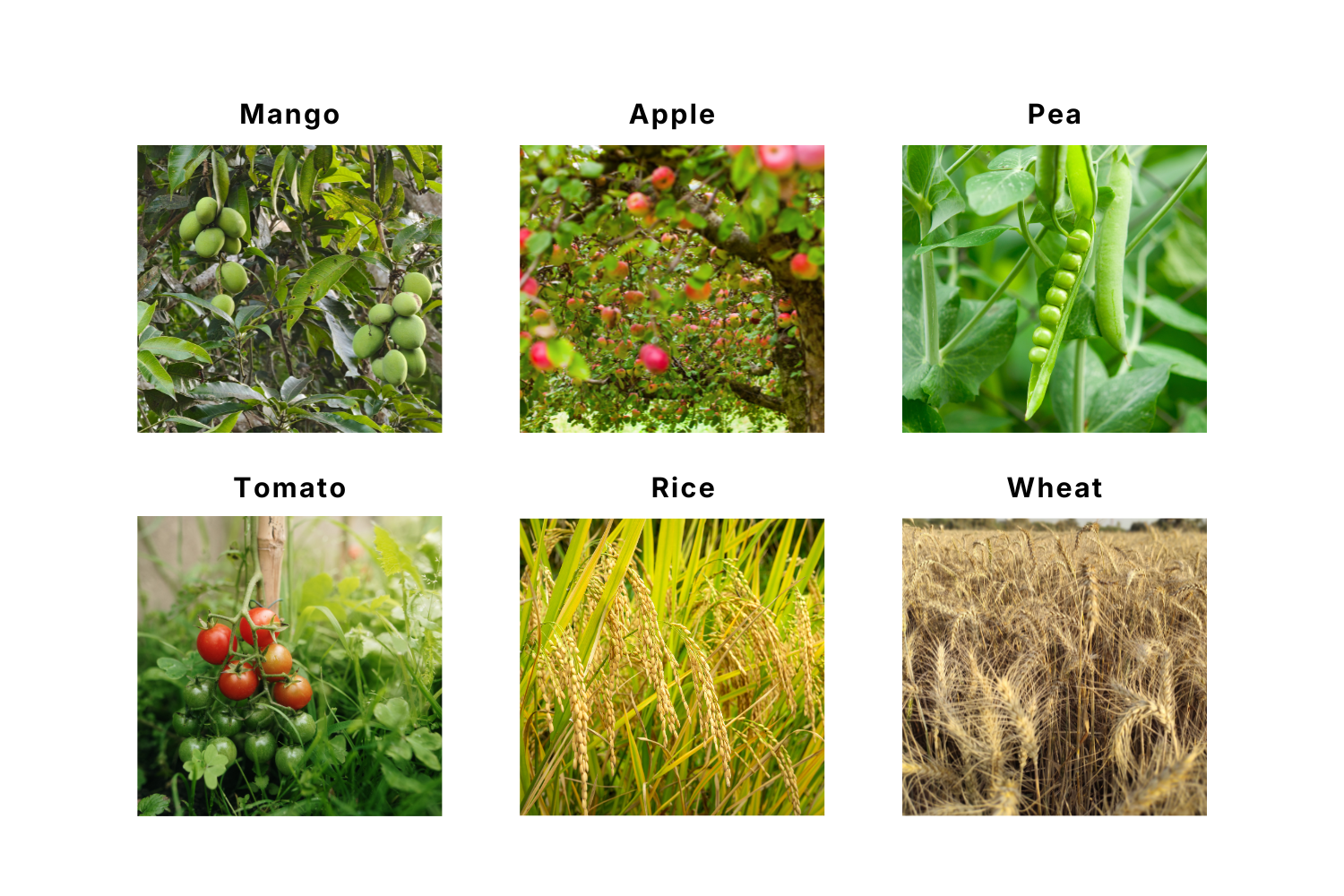 Angiosperms have a male and female reproductive organs present in their flowers. Most of the plants around us are flowering plants, for example: Apple, Mango are flowering plants. Plants like rose, sunflowers are also flowering plants.
Non-flowering plants refers to a group of plants that reproduce via spores rather than the seeds; these plants do not produce flowers.
What are Flowering Plants?
Flowering plants are plants that produce flowers and seeds. In these plants seeds are formed inside fruits. In science terms flowering plants are called “angiosperms”. Here the term “angiosperms” is derived from the ancient Greek word angeion and sperma, which refers to plants that produce their seeds enclosed within a fruit.
Angiosperms have a male and female reproductive organs present in their flowers. Most of the plants around us are flowering plants, for example: Apple, Mango are flowering plants. Plants like rose, sunflowers are also flowering plants. What are Non-flowering Plants?
Non-flowering plants refers to a group of plants that reproduce via spores rather than the seeds; these plants do not produce flowers.
Non-flowering plants are traditionally classified into cryptogams and gymnosperms based on their reproductive structures. Cryptograms, such as bryophytes and pteridophytes, reproduce through spores and they do not produce seeds.
Gymnosperms are also non-flowering plants, but they also reproduce through seeds. Gymnosperms plant seeds are not enclosed within an ovary or fruit, these kinds of seeds are called “naked seeds”.
Gymnosperms are also non-flowering plants, but they also reproduce through seeds. Gymnosperms plant seeds are not enclosed within an ovary or fruit, these kinds of seeds are called “naked seeds”. Difference Between Flowering and Non-flowering Plants
| Flowering Plants | Non-flowering Plants |
| Definition | |
| Plants that produce flowers as reproductive structures. | Plants that do not produce flowers. |
| Flowers | |
| Produce flowers that contain the reproductive parts of the plant. | Do not produce flowers. |
| Reproductive Structures | |
| Flowers are the main reproductive structures. | Bryophytes and pteridophytes produce spores, while gymnosperms produce cones. |
| Seeds | |
| Produce seeds after fertilization. The seeds are enclosed within fruits. | Gymnosperms produce seeds, while others reproduce through spores. |
| Fruit | |
| Usually produce fruits, which develop from the ovary after fertilization. | Do not produce true fruits. |
| Pollination | |
| Pollination involves the transfer of pollen from the anther to the stigma of a flower. | Gymnosperms produce pollen that reaches the ovule. |
| Pollen Grains | |
| Pollen grains are produced in the anthers of flowers. | Gymnosperms produce pollen grains, but bryophytes and pteridophytes do not. |
| Spores | |
| Spores are not the main reproductive units. | Bryophytes and pteridophytes commonly reproduce through spores. |
| Vascular Tissues | |
| Most flowering plants have well-developed xylem and phloem. | Vascular tissues are present in gymnosperms and pteridophytes but absent in bryophytes. |
| Major Groups | |
| Mainly include monocots and eudicots. | Include bryophytes, pteridophytes, and gymnosperms. |
| Examples | |
| Rose, mango, sunflower, hibiscus, pea, and rice. | Mosses, ferns, pine, cycas, and liverworts. |