In India, crops are majorly divided into two major categories: Rabi crops and Kharif crops based on their seeding and harvesting seasons. Rabi crops are generally grown during winter season and Kharif crops are grown during the monsoon season. In this article we will discuss briefly about what Rabi and Kharif crops, which seasons they are grown and harvested, examples and differences between Rabi and Kharif crops.
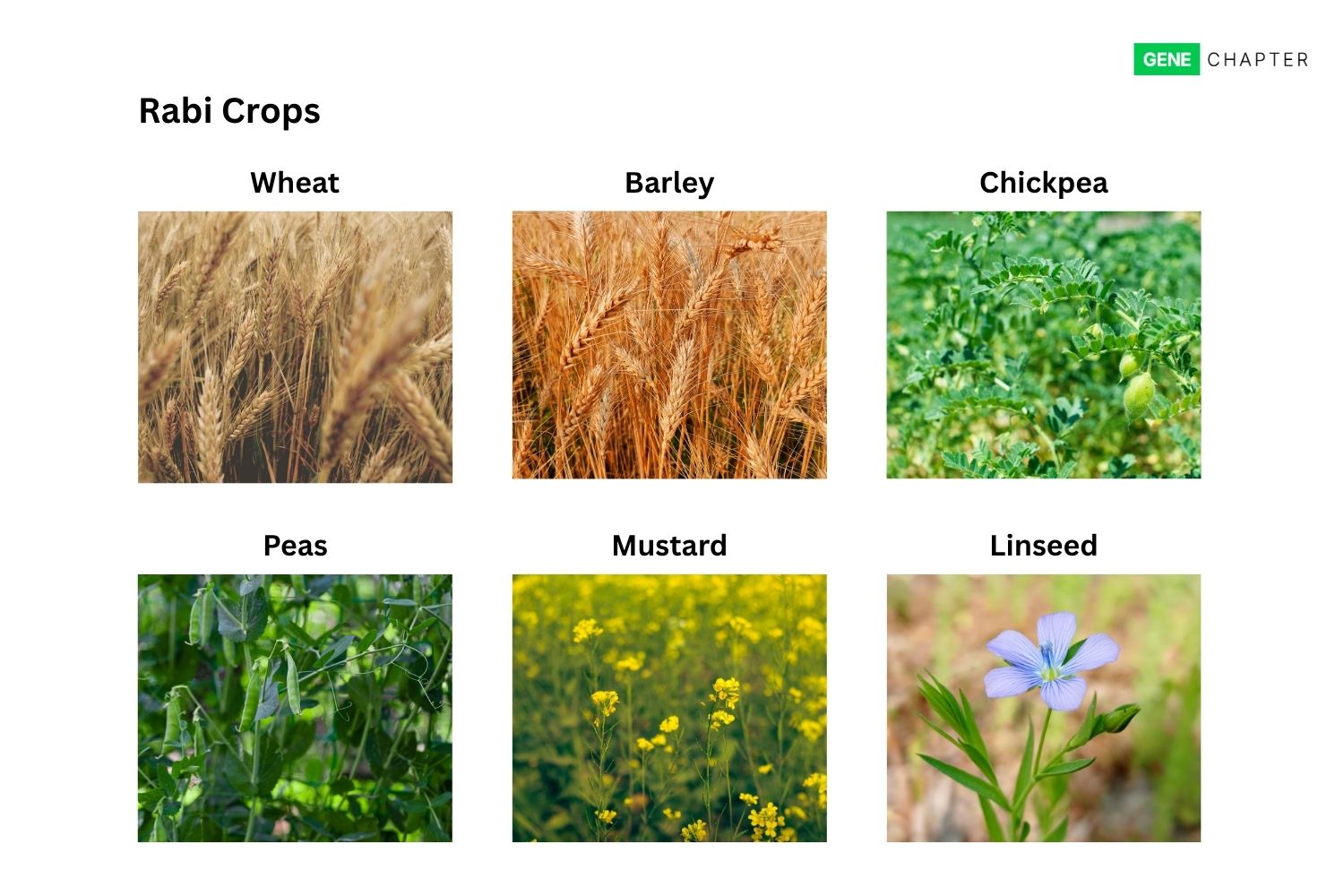
Rabi crops are crops which are sown in winter and harvested in the spring season (October to March). In India Rabi crops like wheat, mustard and peas are harvested early in India. Other major Rabi crops such as wheat, barley, oats, grams (pulses) are sown in winter and harvested in spring.
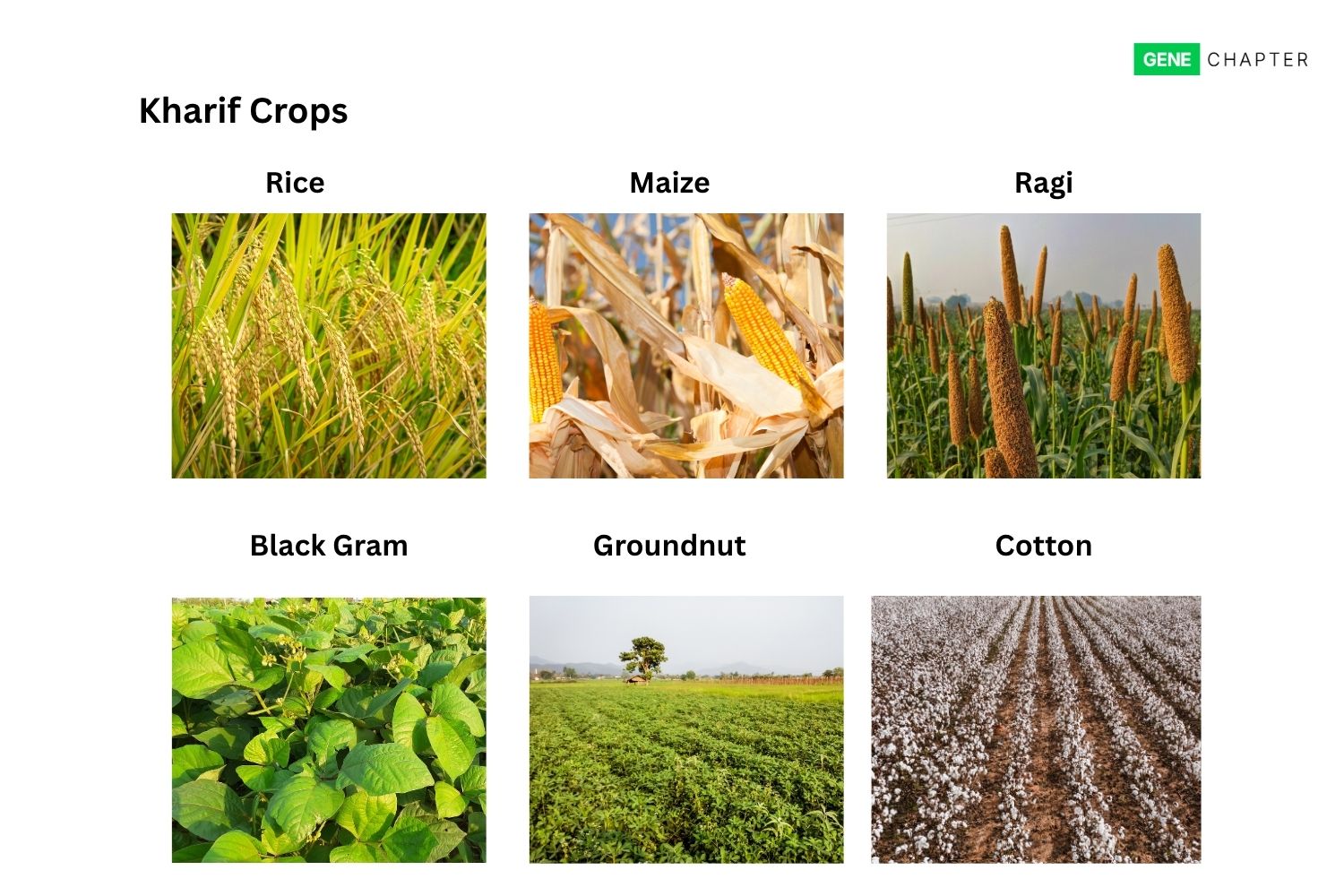
Kharif crops and seasonal crops grown in India mainly during the monsoon season, which usually starts around June and lasts until September. There are six major types of Kharif crops: food crops, fiber crops, fodder crops, industrial crops, oilseed crops, and ornamental crops.
Difference Between Rabi and Kharif Crops
What are Rabi Crops?
Rabi crops are crops which are sown in winter and harvested in the spring season (October to March). In India Rabi crops like wheat, mustard and peas are harvested early in India. Other major Rabi crops such as wheat, barley, oats, grams (pulses) are sown in winter and harvested in spring.
| Aspect | Details |
| Sowing Period | October to December |
| Harvesting Period | March to April |
| Temperature | 10°C to 20°C |
| Rainfall | Low to moderate |
| Water Needs | Less water |
| Type of Soil | Loamy, Alluvial soils |
What are Kharif Crops?
Kharif crops and seasonal crops grown in India mainly during the monsoon season, which usually starts around June and lasts until September. There are six major types of Kharif crops: food crops, fiber crops, fodder crops, industrial crops, oilseed crops, and ornamental crops.
| Aspect | Details |
| Sowing Period | June to July |
| Harvesting Period | September to October |
| Temperature | 25°C to 35°C |
| Rainfall | Moderate to high |
| Water Needs | More water needed |
| Type of Soil | Loamy, alluvial, black |
Difference Between Rabi and Kharif Crops
| Basis | Rabi Crops | Kharif Crops |
| Meaning | Winter season crops | Monsoon season crops |
| Growing Season | Winter season | Monsoon season |
| Sowing Period | October to December | June to July |
| Harvesting Period | March to April | September to October |
| Climate | Cool and dry | Warm and humid |
| Temperature | 10°C to 20°C | 25°C to 35°C |
| Rainfall Requirement | Low to moderate | Moderate to high |
| Water Requirement | Less water needed | More water needed |
| Effect of Rain | Excess rain damages | Adequate rain helps |
| Soil | Loamy, alluvial soils | Loamy, alluvial, black |
| Growing Period | Shorter growing period | Longer growing period |
| Main Crops | Wheat, gram, mustard | Rice, cotton, soybean |
| Crop Types | Food grains, pulses | Food, fiber, oilseeds |