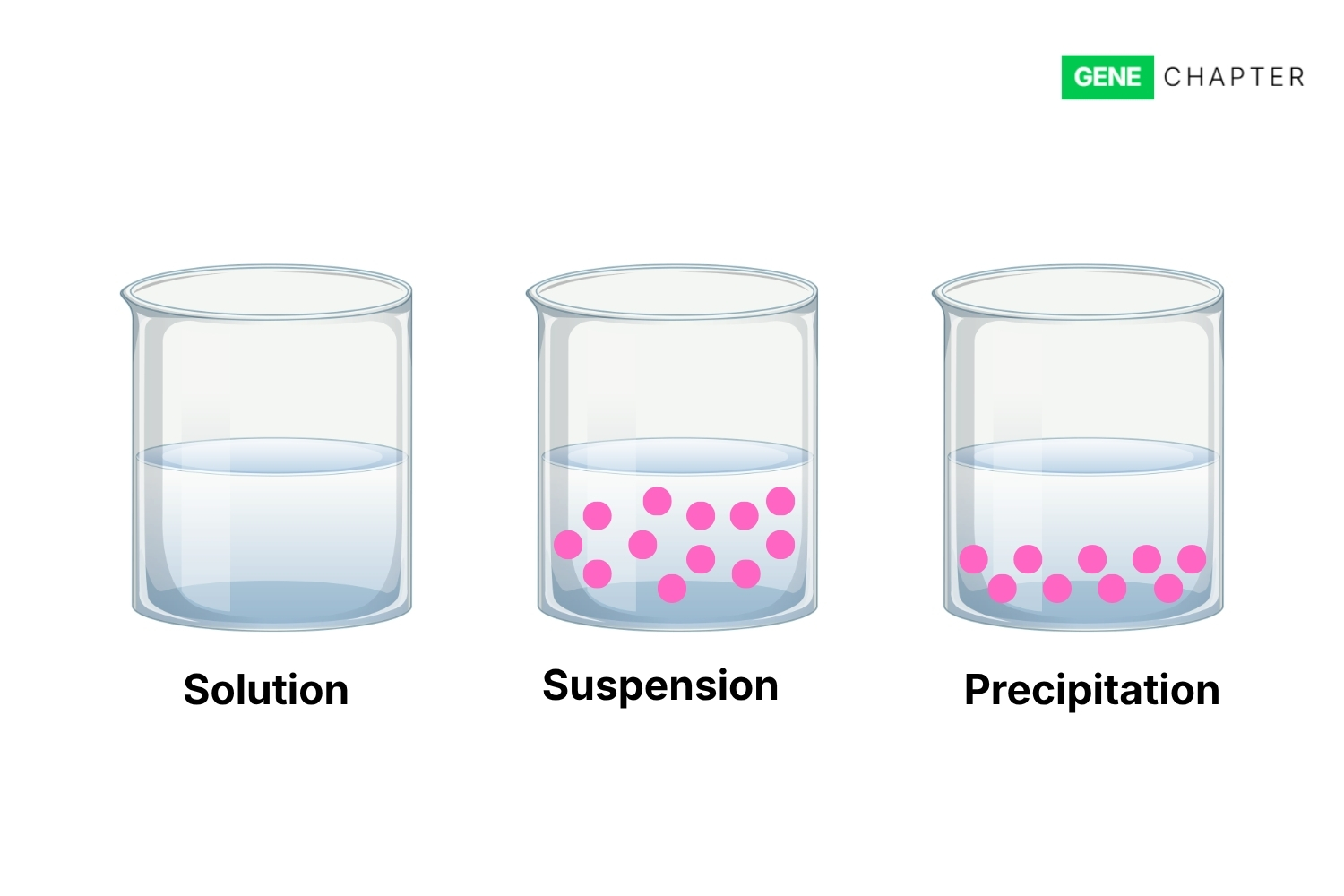
In chemistry, when two or more substances mix with each other without participating in any chemical change, the resulting substance is called a mixture. They have their original properties.
Depending on how their substances are distributed, mixtures are classified as homogeneous mixture or heterogeneous mixture.
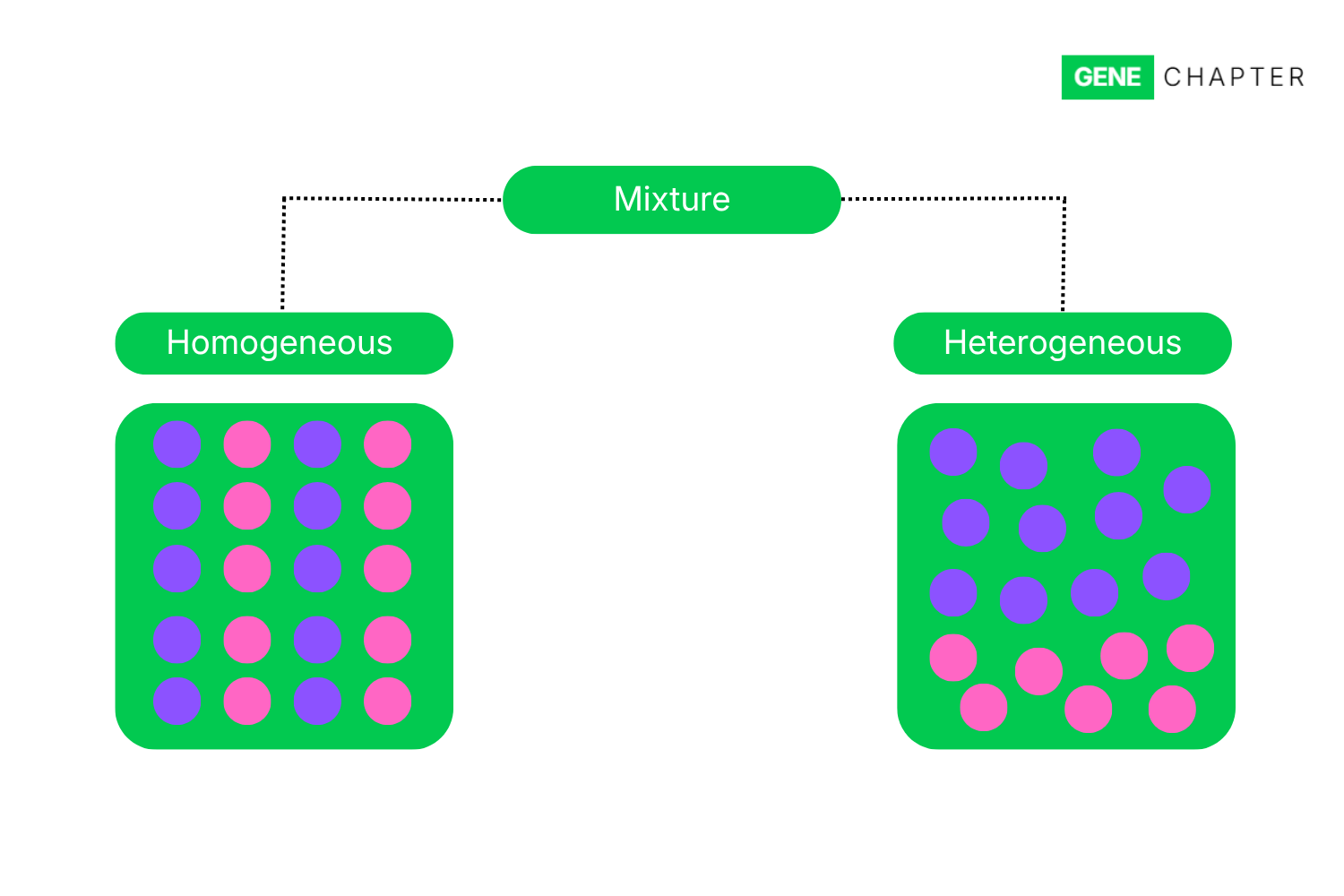
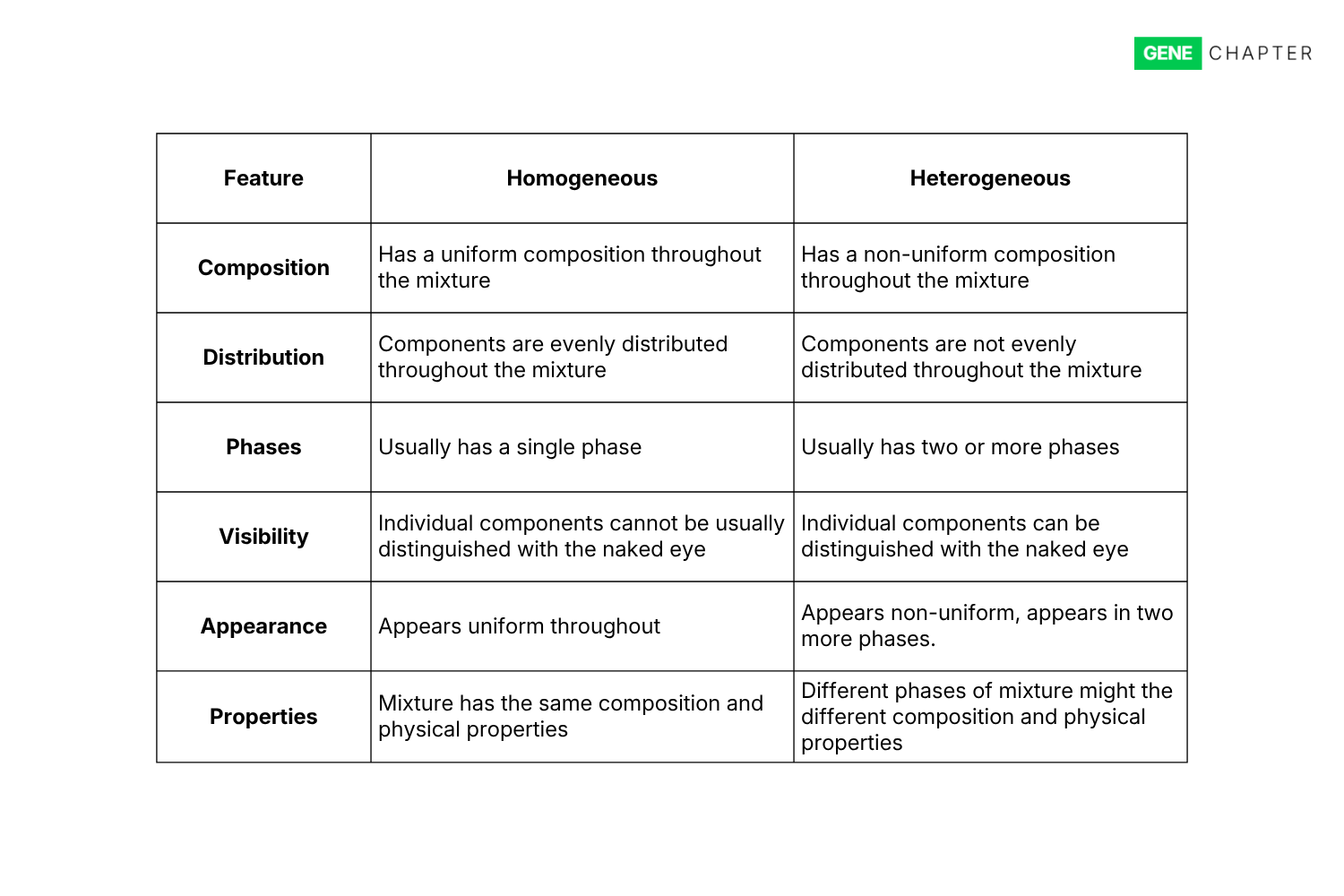
A homogeneous mixture is a combination of two or more substances that are mixed together completely so that they appear as a single phase and uniform throughout. In the homogeneous mixture individual components are not clearly visible to the naked eye and every part of the mixture will have the same properties and composition. Here are some key features of homogeneous mixture;
Uniform Composition: Two or more components are evenly distributed throughout the mixture.
Single Phase: In homogeneous mixture all the substances appear as a single phase throughout.
Not Visible: Individual components cannot be clearly identified with an unaided human eye.
Same Properties: Every part of the mixture has the same physical properties and composition.
Retains Property: The substances in a mixture do not chemically change into any kind of new substance when they are mixed. Each component in the homogeneous mixture retains its own properties.
Example: Salt water, sugar water, vinegar etc.,
A heterogeneous mixture is a mixture in which two or more components are mixed together in any varying proportion, but the composition of the substances is not uniform throughout the mixture. A heterogeneous mixture has two or more phases. The components of the heterogeneous mixture can be easily visually and identifiable either by the naked human eye or under a microscope.
Uniform Composition: The components are not evenly distributed throughout the mixture.
Multiple Phases: A heterogeneous mixture may contain two or more distinct phases.
Components Visible: The individual components can often be visible and identified with an unaided naked eye.
Different Properties: Different phases of the mixture may have different physical properties and composition.
Example: When oil and water are mixed they do not mix evenly, they form two separate layers (phases).
Comparison Between Homogeneous Mixture and Heterogeneous Mixture
Two Types of Mixtures
Depending on how their substances are distributed, mixtures are classified as homogeneous mixture or heterogeneous mixture.
Homogeneous Mixtures
A homogeneous mixture is a combination of two or more substances that are mixed together completely so that they appear as a single phase and uniform throughout. In the homogeneous mixture individual components are not clearly visible to the naked eye and every part of the mixture will have the same properties and composition. Here are some key features of homogeneous mixture;
Uniform Composition: Two or more components are evenly distributed throughout the mixture.
Single Phase: In homogeneous mixture all the substances appear as a single phase throughout.
Not Visible: Individual components cannot be clearly identified with an unaided human eye.
Same Properties: Every part of the mixture has the same physical properties and composition.
Retains Property: The substances in a mixture do not chemically change into any kind of new substance when they are mixed. Each component in the homogeneous mixture retains its own properties.
Example: Salt water, sugar water, vinegar etc.,
Heterogeneous Mixtures
A heterogeneous mixture is a mixture in which two or more components are mixed together in any varying proportion, but the composition of the substances is not uniform throughout the mixture. A heterogeneous mixture has two or more phases. The components of the heterogeneous mixture can be easily visually and identifiable either by the naked human eye or under a microscope.
Uniform Composition: The components are not evenly distributed throughout the mixture.
Multiple Phases: A heterogeneous mixture may contain two or more distinct phases.
Components Visible: The individual components can often be visible and identified with an unaided naked eye.
Different Properties: Different phases of the mixture may have different physical properties and composition.
Example: When oil and water are mixed they do not mix evenly, they form two separate layers (phases).